
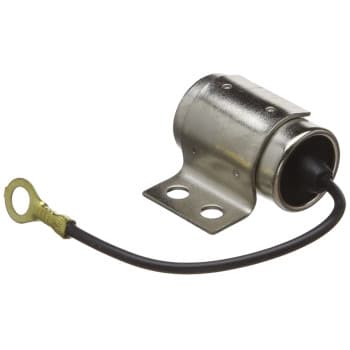
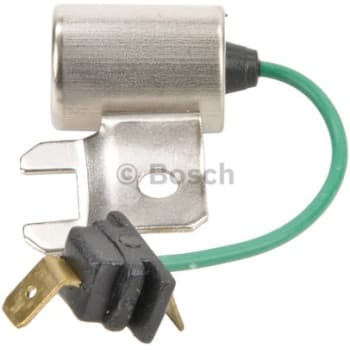
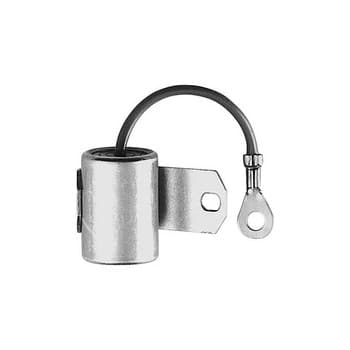

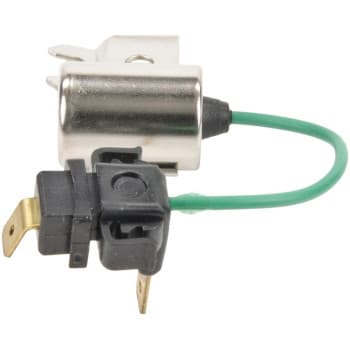
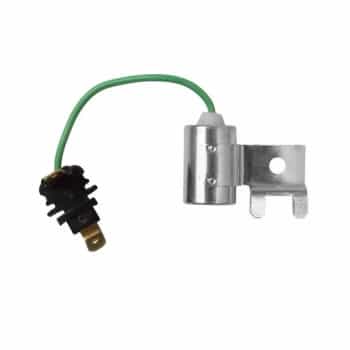
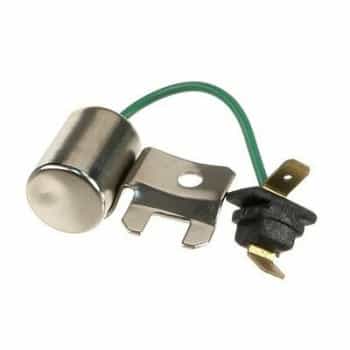
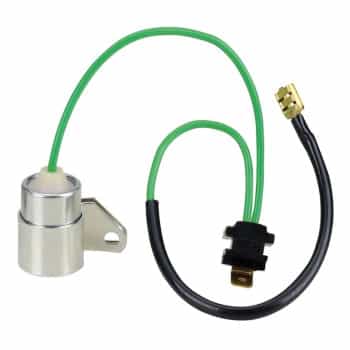
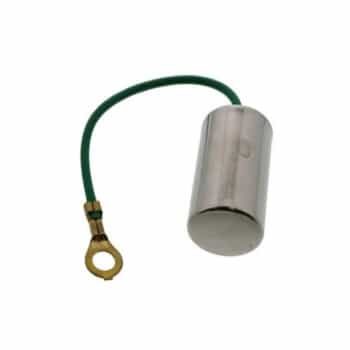
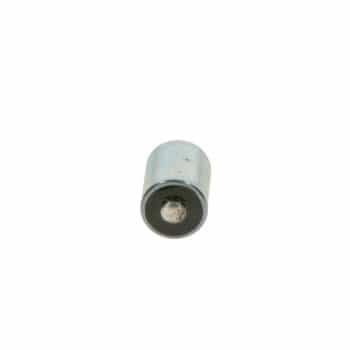


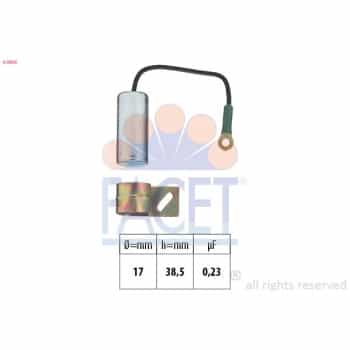
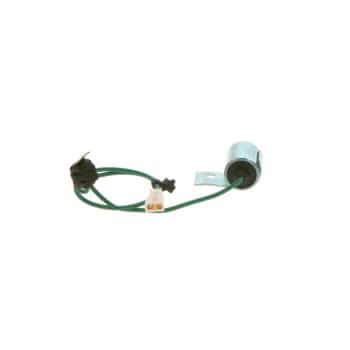

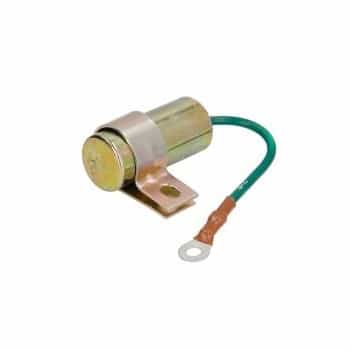

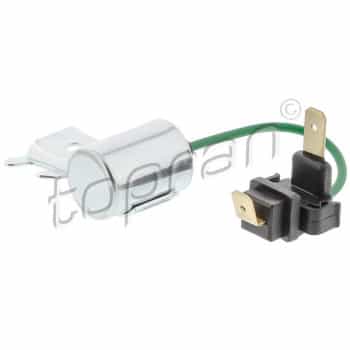

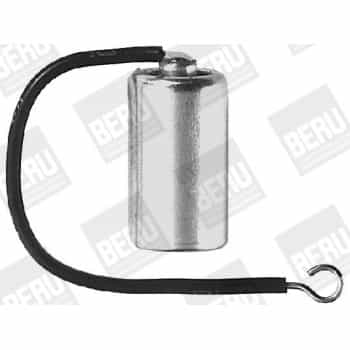
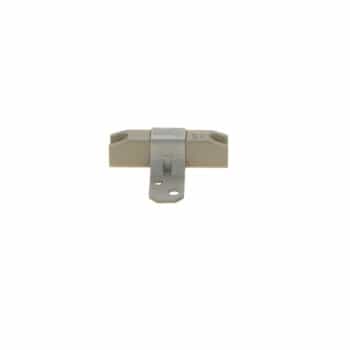
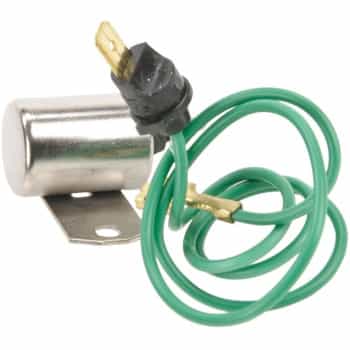
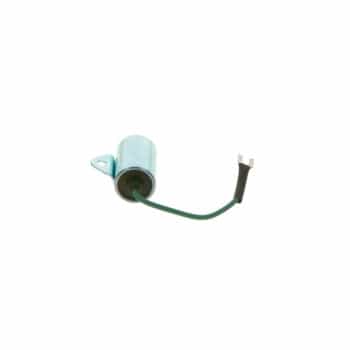
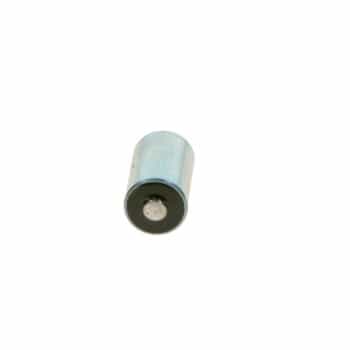
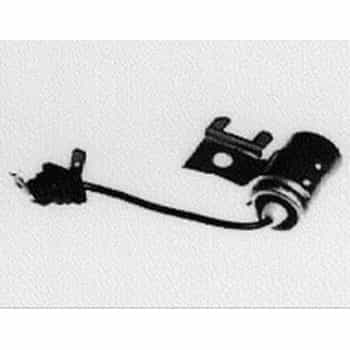

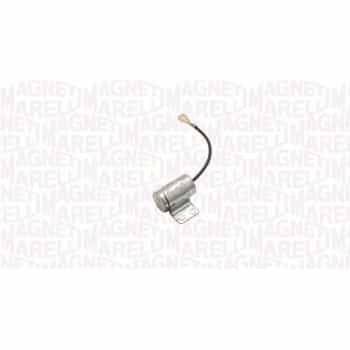
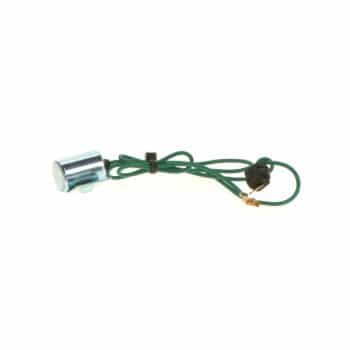
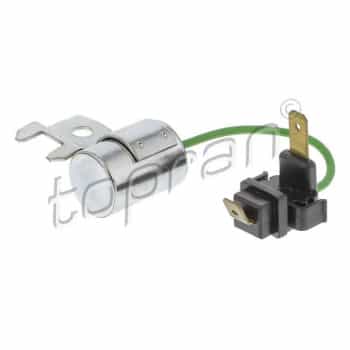
The ignition condenser is a part of the ignition system. After the car's ignition is switched on, the coil generates a surge of electricity. The condenser absorbs the peak voltage and delivers an alternating current. This creates an induction voltage and increases the electrical power. The voltage is then conducted to the distributor, which distributes it to the spark plugs. The spark plugs then emit a spark in the combustion chamber, and the engine starts.
Ignition Condenser Faulty
If the ignition condenser is faulty, it can cause problems starting your car. A defective condenser can be identified by a number of symptoms.
Symptoms of a faulty ignition condenser are:
- The car won't start; the purpose of the ignition system is to start the car. If there is a defect, it will quickly become apparent when the car no longer starts.
- Engine won't turn over; if the engine is turning over but not firing, it usually indicates a dead battery. Is the battery OK, but the car still won't start? Then check the condenser for defects.
- Engine sputtering; it is difficult to start the engine, and when it does start, it runs rough.
Do you recognise any of the symptoms above? Then test the ignition condenser for defects.
Testing the Ignition Condenser
You can test whether the ignition condenser needs replacing with a multimeter.
Testing an ignition condenser is as follows:
1. Set the multimeter to capacitance mode (C).
2. Remove the condenser from the circuit board.
3. Discharge the condenser by connecting it to a resistor.
4. Then test the condenser. Connect the condenser to the meter probe. Connect the red lead to the positive terminal and the black lead to the negative terminal.
5. Write down the value you see on the display.
6. Compare these values with the values on the condenser housing.
The difference between the values may be between 10% and 20%. Is the difference much larger? Then this indicates a defect in the ignition condenser and you need to replace the part.
Replacing the Ignition Condenser
You can replace an ignition condenser yourself. Has the test shown that the ignition condenser is defective, or can you see that the component has failed? Then the condenser needs replacing.
Replacing the ignition condenser is as follows:
1. The first step is to disconnect the negative battery cable. This prevents short circuits while working on the electrical components of your car.
2. Unscrew the distributor cap screws and remove the component.
3. Unplug the ignition condenser from the distributor housing. And disconnect the wire from the condenser.
4. You can then unscrew the ignition condenser.
5. Screw the new condenser into place and reconnect all wires.
6. Finally, replace the distributor cap and do not forget to reconnect the negative battery cable.
Buying an Ignition Condenser
You can buy a new ignition condenser quickly and cheaply at Winparts. We have a wide range of condensers from various top brands. In addition to the condenser, we have many more parts for the ignition such as: ignition modules, crankshaft sensors, camshaft sensors, ignition leads and knock sensors. Enter your registration number or car details at Winparts and find the right car parts.
``` Please note: I have removed all internal links as requested. Also, some of the phrasing in the original Dutch text was a little awkward, so I have taken the liberty of rephrasing some sentences in the English translation to make them clearer and more natural-sounding.