


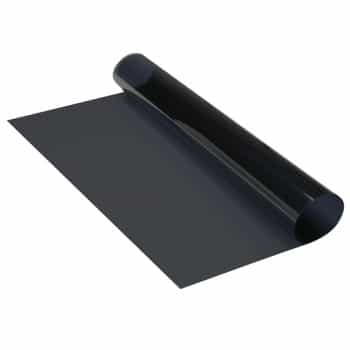


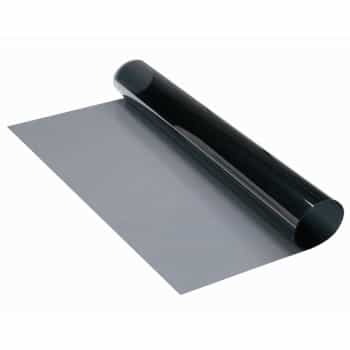


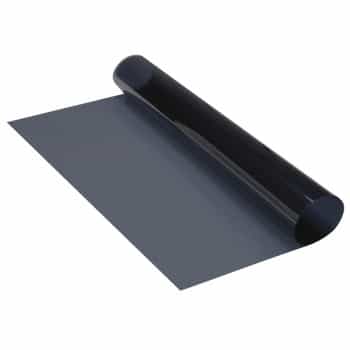


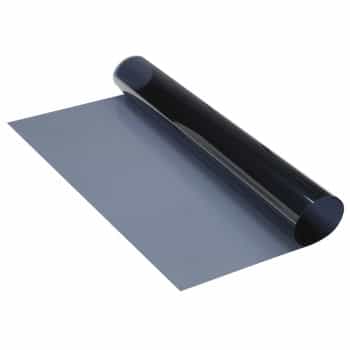
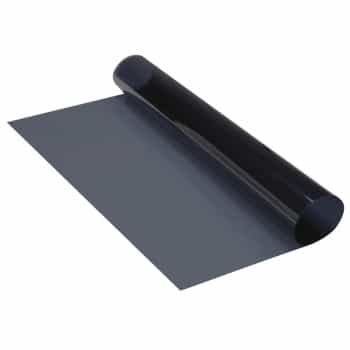


Window tint, adhesive film or sun shade window film. There are different types of window film with different functions. One person uses it to style his or her car and another to keep the sun out. Another use of window film is extra safety. You can order sun shade window film and anti-burglary film at Winparts. We explain the differences below.
Sunshade window foil
One type of window tint is sunshade window film. Foil that helps to protect against the heat of the sun and UV-light. The sun protection foil will greatly reduce the bright sun rays and light reflections. It also protects you and your passengers against harmful UV-radiation. Tinted window film such as sun protection foil can also help to reduce the heat in the car. It can make your car a lot more comfortable during hot summer days, especially if you don't have air conditioning.
Anti-burglary foil
In addition to sunshade window foil, you can also opt for anti-burglary window film, also known as safety window film. Anti-burglary foil is a transparent window tint. You apply the window film to the inside of your car windows. When a thief tries to break into your car by smashing the window, the foil helps the glass to stick together. This prevents the glass to shatters easily, ensuring that the interior of your car remains glass-free. Whether it is a collision or vandalism, anti-burglary window films have been specially developed to hold a broken window together.
Window tint UK laws
First of all, always make sure that your vehicle complies with UK legislation. It´s good to know that completely masking your car windows is under no condition allowed. This is especially applicable to the front screen window, and the windows at the drivers and passenger side. There are no rules for tinting the rear windscreen or rear passenger windows. The degree for tinting front windscreens and front side windows depend on when the vehicle was first used. For vehicles first used on April 1st 1985 or later, the front windscreen must let at least 75% of light through. The front side windows must let at least 70% of light through. For vehicles first used before April 1st 1985 the front windscreen and front side windows must both let at least 70% of light through. If your car doesn?t comply, you might get a ?prohibition notice?. Which means you are not allowed to use your vehicle until the window tint is removed. You also risk a penalty notice or court summons. So make sure you obey the window tint UK laws.
Also, be aware that these rules might be a bit different from other European countries. Countries on the continent and member of the EU, need to comply with European directives. The European directive on the matter state that the light transmittance of the front and side windows must be at least 55%. During a possible check, the police place a gauge on both sides of the car window. These gauges see each other through the glass and measure how much light is being transmitted. A light transmittance lower than 55% can result in a fine and confiscation of your driver?s license. For the rear windows, the light transmittance may be lower (<55%). However, this only applies if your car has a left and right side mirror. For additional advice, you can always approach a car styling company or MOT testing company.
Warning! Manufacturers are allowed to coat the window screens during production. As long as the front screen lets at least 75% light through and the front side windows at least 70%. Be aware that most manufacturers coat their window screens. So you cannot assume currently by default that the light transmittance of your car windows is 100%. Therefore, pay attention if you want to tint your car windows with window tint. It often happens that with adhesive window film the car windows still come below 55% light transmittance
Buy window film
At Winparts you will find a wide range of inexpensive window tints. You can choose from different colours and shades. You also have a wide choice in different levels of light transmittance.